Do Animals Dream? What Science Reveals About Animal Sleep and Memory
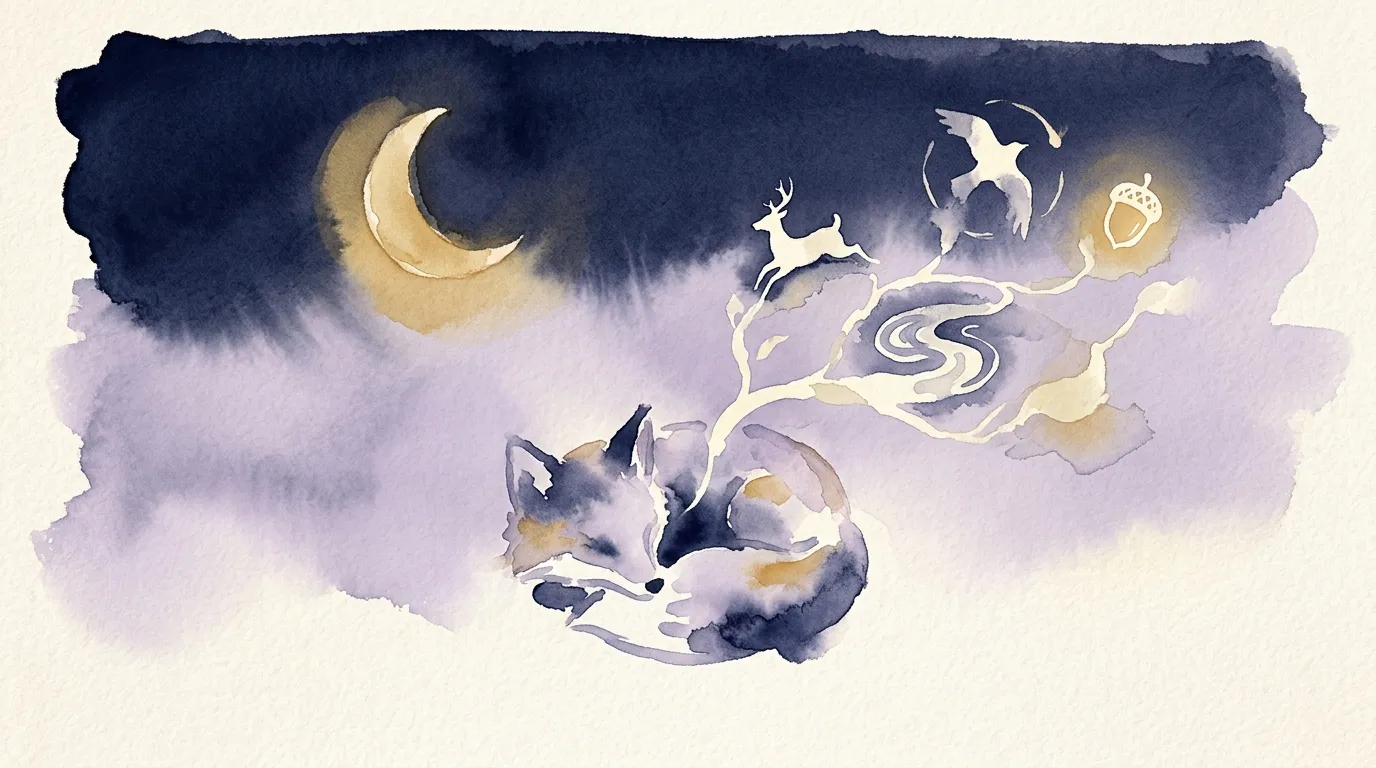
Do Animals Dream? Here’s What the Science Actually Says.
If you’ve ever watched your dog twitch its paws, let out a muffled little bark, or move its eyes around behind closed lids, you’ve probably wondered: is my dog dreaming? And honestly, that’s a question humans have been asking for centuries.
For a long time, we could only guess. But these days, neuroscience has given us some pretty compelling answers. Turns out, dreaming isn’t just a human thing. A whole lot of animals mammals, birds, even some invertebrates-show brain activity during sleep that looks a heck of a lot like what happens when we dream.
How Scientists Measure Animal Dreams
In humans, vivid dreaming mostly happens during REM sleep. That’s the stage where your brain waves look almost like you’re awake, your eyes dart around, your heart rate picks up, and your muscles go temporarily paralyzed. That last part-muscle atonia-is what stops you from actually acting out your dreams.
When researchers hook up other animals to EEG machines, they see remarkably similar patterns. Almost all land mammals and birds cycle through Non-REM and REM sleep just like we do. Cats, dogs, rats, even the platypus-they all show clear REM signatures.
Some of the earliest evidence for animal dreaming came from cats. Back in the 1960s, a French researcher named Michel Jouvet found that if you damaged a tiny part of the brainstem called the pons, cats would lose their REM paralysis. Then, when they entered REM sleep, they didn’t just lie there. They stood up, stalked invisible prey, arched their backs, and swatted at things that weren’t there-all while completely oblivious to the real world around them. They were literally acting out their dreams.
Memory Replay: The Rat Maze Experiments
Modern research has gone way deeper than just watching animals move. Scientists at MIT monitored individual neurons in rats’ brains while they ran through mazes to find food. Specific clusters of neurons-called place cells-fired in precise sequences as the rats navigated different parts of the maze.
Then, when the rats fell asleep, researchers recorded the exact same sequences firing again in the hippocampus and visual cortex. Same patterns, same order, sometimes even faster. It was like the rat’s brain was replaying the daytime experience on fast-forward.
This is called memory replay, and it strongly suggests that the sleeping rat brain is processing the day’s experiences, consolidating spatial memories, and simulating navigation through its environment. Whether the rat actually experiences this as a conscious narrative like we do, we can’t know for sure. But the underlying brain activity matches what happens during human dreaming.
Birds do it too. Zebra finches practice their songs while they sleep. Researchers found that the exact pattern of brain activity a male finch uses to sing during the day gets replayed pattern-for-pattern at night, helping him refine his vocal performance.
What About Octopuses and Dolphins?
Scientists have also looked at animals that are way outside the mammal-bird club.
Octopuses are a fascinating case. Recent research shows they have a two-stage sleep pattern-quiet sleep and active sleep. During active sleep, they show rapid eye movements, muscle twitches, and sudden, dramatic changes in skin color and texture. These are the same color patterns they use when hunting, hiding from predators, or communicating while awake. Scientists think this might be a sign of something like REM sleep-and maybe even dreaming.
Dolphins are a different story. To avoid drowning while sleeping in the open ocean, they practice unihemispheric sleep-one half of the brain sleeps while the other stays awake to control breathing and watch for danger. Dolphins show very little to no traditional REM sleep, which suggests that dreaming as we know it might require both brain hemispheres to sync up.
What Animal Dreams Tell Us About Evolution
The fact that REM sleep and memory replay show up across so many different species tells us something important: this isn’t random. It’s not mental noise. Sleep-dependent brain processing serves a fundamental evolutionary purpose. It helps with:
- Memory consolidation: Storing new skills, spatial layouts, and behavioral strategies.
- Threat simulation: Practicing survival responses-like escaping predators or hunting-in a safe environment.
- Emotional regulation: Processing stressful or new experiences from the day.
A Deeper Connection to the Animal Kingdom
Science can’t yet tell us exactly what an animal experiences when it dreams. We can’t ask a dog what it saw. But the biological evidence strongly points toward a shared experience-a brain reorganizing memories, processing emotions, and navigating an internal world created during sleep.
So the next time you watch your pet twitching, softly barking, or moving their eyes behind closed lids, you’re probably witnessing something ancient and profound. A brain doing exactly what yours does every night. Dreaming.