Dream About Drowning: Meaning & Interpretation
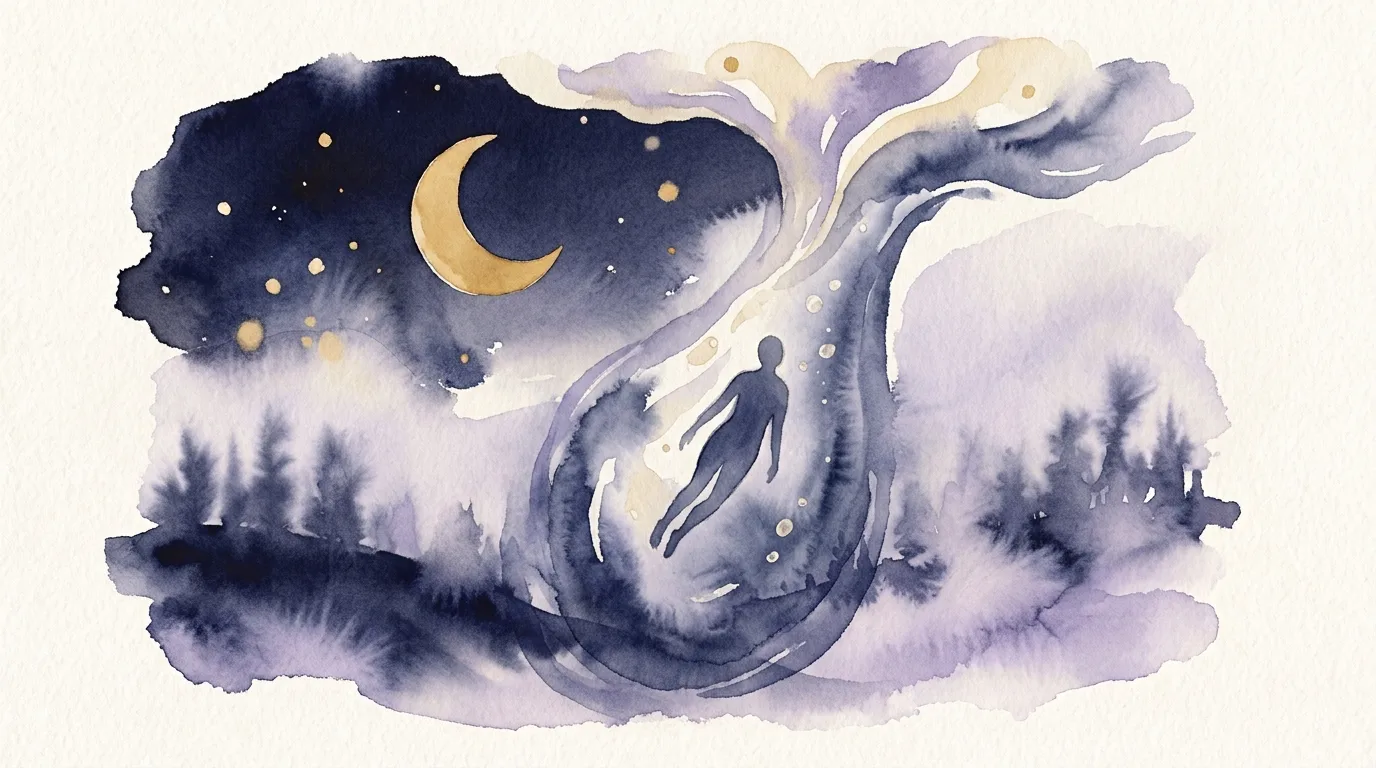
Dreamt About Drowning? Here’s What Your Subconscious Is Trying to Tell You
Water in dreams is huge - it almost always represents emotions, the subconscious mind, and your deepest feelings. So when you dream about drowning or being overwhelmed by water, it’s usually a sign that you’re feeling emotionally swamped in your waking life. When the water rises to the point of suffocating, it often reflects real-life situations where emotional burdens, stress, or daily responsibilities feel way too heavy to carry.
Here’s the thing: this is almost never a literal premonition. Instead, it’s more like a psychological pressure valve. Your subconscious is waving a red flag, suggesting you’re suppressing intense emotions - grief, anxiety, anger - that are now demanding your attention. That panicked feeling of losing control while being engulfed? It mirrors the struggle to keep it together amidst demanding circumstances, whether at work, in relationships, or during major life changes.
Common Scenarios and What They Might Mean
-
Clear vs. murky water: Sinking into crystal-clear water suggests that while you feel overwhelmed, you actually have clarity about what’s stressing you out. Struggling in muddy or turbulent water, though, often points to confusion, hidden fears, or unresolved conflicts that feel impossible to navigate.
-
Being rescued: If someone pulls you to safety, it may indicate a subconscious recognition that you need support in your waking life. It could also reflect a growing readiness to accept help from friends, family, or professionals when managing heavy emotional loads.
-
Saving someone else: Trying to rescue another person from the depths? That often mirrors a tendency to take on other people’s problems. It might suggest you’re overextending yourself to support someone close to you - potentially at the expense of your own well-being.
-
Drowning in the ocean: Ocean settings represent vast, unpredictable forces. Submerging beneath sea waves often points to broader life transitions, existential worries, or feelings of powerlessness against large-scale circumstances beyond your control.
The Psychology Behind It
Psychologically, drowning dreams are closely linked to emotional burnout. In Jungian psychology, deep bodies of water represent the unconscious mind. Becoming engulfed by water can symbolize a fear that repressed impulses or unexpressed feelings are threatening to flood your conscious awareness.
Modern sleep research adds another layer: mild respiratory restriction during sleep - like sleep apnea, snoring, or sleeping in an awkward position - can sometimes trigger water-based suffocating imagery. But more commonly, high daytime stress levels elevate cortisol, causing your brain to translate feelings of panic or helplessness into vivid, water-bound distress scenarios during REM sleep.
Questions to Sit With
To understand what your dream is really telling you, take a moment to reflect:
- Are there specific responsibilities or relationships that feel manageable on the surface but exhausting beneath it?
- Have you been suppressing emotions like sadness, anxiety, or resentment instead of giving yourself space to feel them?
- In what areas of your life might you benefit from asking for help or setting firmer boundaries?
Frequently Asked Questions
What does it mean when you dream about drowning?
Dreaming about drowning usually means you are feeling emotionally overwhelmed by stress, heavy responsibilities, or daily burdens in waking life. It acts as a psychological indicator that you may be suppressing intense emotions like grief, anxiety, or anger.
What does it mean to dream about being rescued from drowning?
Being rescued from drowning in a dream suggests a subconscious recognition that you need help in your waking life. It often reflects an increasing readiness to accept support from friends, family, or professionals.
Why do I keep having drowning dreams?
Frequent drowning dreams are often linked to high stress and emotional burnout, where repressed feelings threaten to overflow into conscious awareness. They can also occasionally be triggered by physical factors during sleep, such as sleep apnea or respiratory restriction.